R472,50
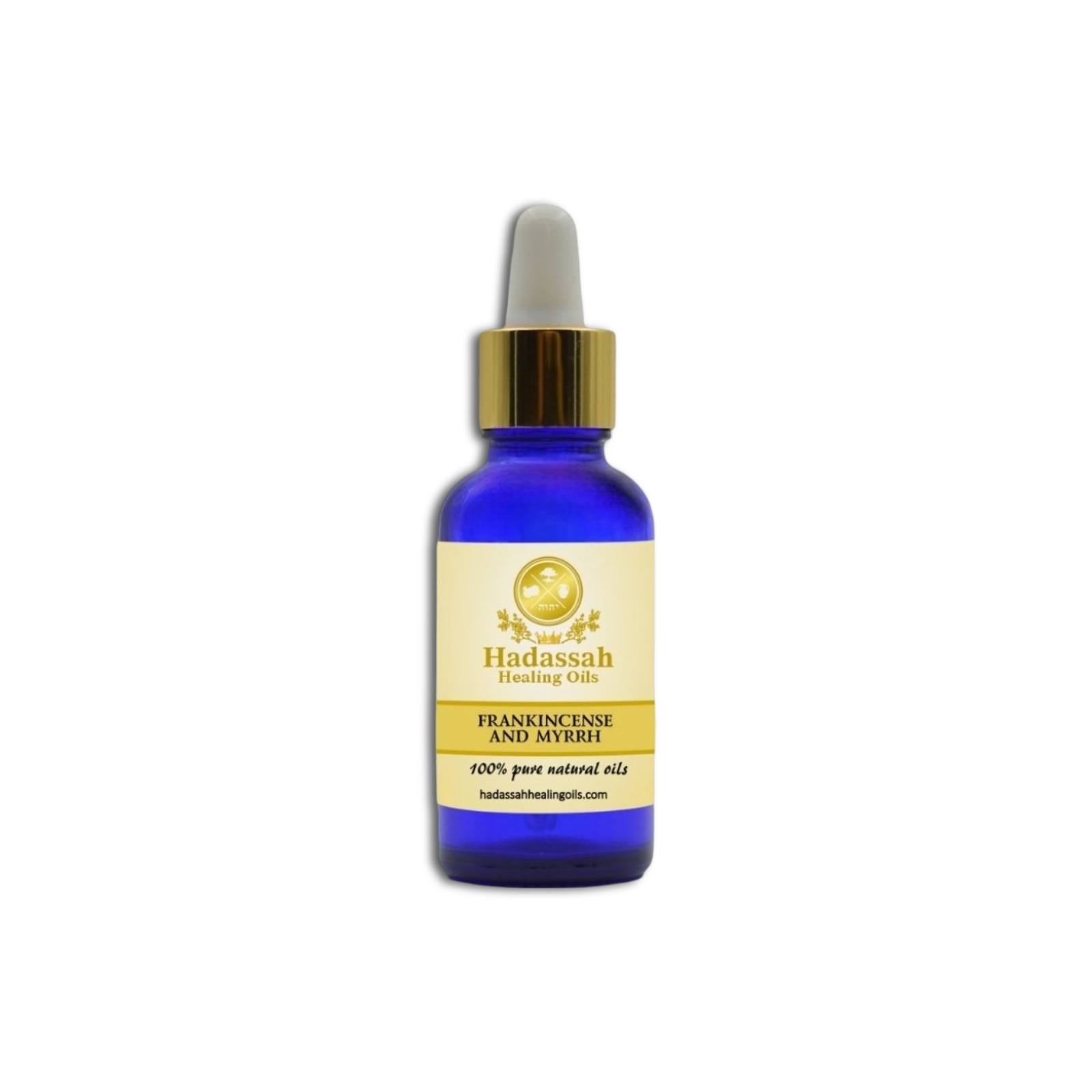
Frankincense and Myrrh blend, available in 30ml and 100ml, are beneficial for various health conditions due to their active compounds and bioactive properties that promote cellular health, reduce inflammation, enhance immune function, and support tissue healing. Here are some conditions it may help with and the reasons why:
Why: Both frankincense and myrrh contain anti-inflammatory compounds such as boswellic acid (in frankincense) and sesquiterpenes (in myrrh). These compounds reduce inflammation in joints, helping to alleviate pain and stiffness associated with arthritis.
Why: Frankincense is known for its respiratory benefits, including opening airways and reducing inflammation in the bronchial passages. It helps ease breathing and reduce symptoms in chronic respiratory conditions.
Why: The potent anti-inflammatory properties in frankincense and myrrh make them useful for managing chronic inflammatory diseases; inflammatory bowel disease (IBD), chronic fatigue syndrome, and other systemic inflammation-related conditions.
Why: Both oils promote cellular regeneration and have antimicrobial properties, making them effective for treating skin inflammation, irritation, and infections. Frankincense helps with wound healing and reducing scar tissue, while myrrh soothes and protects the skin.
Why: Frankincense and myrrh contain immune-boosting properties. Frankincense has been shown to support white blood cell production and immune response, which can help the body fight infections and maintain immune health.
Why: Frankincense has calming effects on the nervous system by acting on the limbic system and balancing cortisol levels. This blend is useful for reducing symptoms of stress, anxiety, and related sleep disturbances.
Why: Myrrh is traditionally used to support gum health and treat mouth infections due to its antimicrobial and anti-inflammatory effects. Both frankincense and myrrh can help reduce gum inflammation and promote healing in oral tissues.
Why: Frankincense has soothing properties for the digestive system and can reduce inflammation in the gastrointestinal tract. It may relieve symptoms of irritable bowel syndrome (IBS), acid reflux, and general digestive discomfort.
Why: Myrrh has been used to alleviate menstrual discomfort and support hormonal balance. It helps reduce uterine inflammation, easing cramps and promoting a balanced hormonal environment.
Why: Both oils have antimicrobial, antifungal, and antiviral properties that help prevent infections and promote wound healing. They encourage faster recovery from cuts, abrasions, and minor infections.
Why: Frankincense supports skin elasticity and reduces the appearance of wrinkles and fine lines by encouraging cellular regeneration and protecting against oxidative stress. Myrrh has skin-repairing and moisturizing benefits, making it effective in anti-aging formulations.
Why: Frankincense can reduce tension and inflammation that contribute to headaches and migraines. When applied topically, it provides relief by reducing pain and soothing the nervous system.
Why: Frankincense has detoxifying properties that may help support liver function and protect against oxidative damage, while myrrh can support kidney health by reducing inflammation in urinary pathways.
Why: Frankincense and myrrh are known to improve blood circulation and have analgesic effects, which help reduce pain and swelling. This can be beneficial for conditions like varicose veins, muscle pain, and localized swelling.
Why: Frankincense and myrrh have antiviral and antimicrobial properties, helping to fight pathogens and ease congestion, sore throat, and body aches when applied topically or diffused.
Why: Frankincense reduces inflammation in the sinuses and respiratory passages, while myrrh’s antimicrobial properties help prevent secondary infections, easing allergic reactions and sinus discomfort.
Why: Frankincense and myrrh’s anti-inflammatory and immune-modulating effects can benefit autoimmune conditions, like rheumatoid arthritis or lupus, by reducing excessive immune responses and systemic inflammation.
Why: Myrrh is traditionally used for its antimicrobial effects, making it beneficial against bacterial infections in the urinary tract, reducing inflammation and discomfort.
Why: Frankincense has anti-inflammatory properties that may alleviate nerve pain and reduce discomfort in conditions like sciatica or diabetic neuropathy by improving circulation and decreasing inflammation around nerve tissues.
Why: Frankincense’s anti-inflammatory compounds may reduce inflammation in the intestines, while myrrh’s antimicrobial action helps prevent infections, which can exacerbate inflammatory bowel diseases.
Why: Both oils help reduce muscle pain, inflammation, and improve circulation, which can alleviate the chronic pain and discomfort associated with fibromyalgia.
Why: Frankincense’s ability to support respiratory function may help those with COPD, reducing bronchial inflammation and promoting easier breathing.
Why: Frankincense may help modulate cortisol levels, providing relief from chronic stress, and balancing the stress response through its effects on the central nervous system.
Why: The relaxing and circulation-supporting effects of frankincense may aid in reducing blood pressure, providing relief for hypertension and supporting cardiovascular health.
Why: Frankincense’s neuroprotective properties may support brain health by reducing oxidative stress and inflammation, which are implicated in neurodegenerative diseases like Alzheimer’s.
Why: Frankincense is well-known for promoting cellular repair and reducing scar tissue formation, which can reduce the appearance of scars and stretch marks over time.
Why: Frankincense and myrrh’s anti-inflammatory and antimicrobial properties help reduce acne inflammation, kill acne-causing bacteria, and support skin healing.
Why: Frankincense can reduce digestive inflammation and spasms, improving symptoms of bloating, gas, and general digestive discomfort.
Why: Myrrh has been traditionally used to balance hormones, which can help reduce symptoms associated with hormonal imbalances, such as hot flashes and mood swings during menopause.
Why: Both frankincense and myrrh support liver function by promoting detoxification pathways, which aid in clearing toxins from the liver and supporting overall liver health.
Why: Frankincense and myrrh improve circulation and have mild diuretic properties, helping reduce fluid retention and swelling associated with oedema.
Why: Frankincense is known for its calming effects on the central nervous system, which can help reduce anxiety and improve sleep quality in individuals with sleep disorders.
Why: Myrrh’s antifungal and frankincense’s immune-boosting properties can be useful for treating warts and fungal skin infections, such as athlete’s foot.
Why: Myrrh’s antibacterial properties help reduce oral infections and soothe inflammation in the gums, providing relief from gingivitis and tooth infections.
Why: Myrrh’s anti-inflammatory properties can help reduce uterine inflammation and cramps associated with menstruation, while frankincense supports over-all relaxation and pain relief.
How it Works: Frankincense reduces inflammation in the skin, which can ease the symptoms of psoriasis and eczema. Myrrh promotes skin repair and has antiseptic qualities that help prevent secondary infections, providing relief from itching and redness.
How it Works: Frankincense contains compounds that inhibit the production of inflammatory molecules, which can reduce joint pain and stiffness. Myrrh complements this by promoting circulation, which may help alleviate symptoms in areas affected by arthritis.
How it Works: Frankincense supports respiratory function by reducing inflammation in the airways, helping with congestion and chronic cough. Myrrh’s antimicrobial properties also assist in clearing bacterial infections that can cause bronchitis.
How it Works: Frankincense has anti-inflammatory properties that calm the gut lining, reducing IBS symptoms like cramping and bloating. Myrrh’s antimicrobial effects can also help address gut imbalances that often exacerbate IBS.
How it Works: Frankincense reduces sebum production and inflammation; key factors in acne development. Myrrh helps by providing antimicrobial support to combat acne-causing bacteria on the skin, helping reduce breakouts.
How it Works: Frankincense and myrrh both have muscle-relaxing and anti-inflammatory properties, which can relieve muscle pain and spasms. They also improve circulation to the affected area, promoting quicker recovery.
How it Works: Frankincense may help reduce inflammation in the intestines, alleviating symptoms of ulcerative colitis. Myrrh’s antimicrobial properties also support gut health, reducing flare-ups associated with this condition.
How it Works: Myrrh’s antiviral effects can help address herpes simplex virus outbreaks, such as cold sores, by reducing viral replication and promoting healing. Frankincense’s anti-inflammatory properties reduce pain and swelling.
How it Works: Myrrh’s antimicrobial properties may reduce bacterial infections in the kidneys. Frankincense provides anti-inflammatory support, which helps manage pain and promotes healing in affected tissues.
How it Works: Frankincense reduces sinus inflammation, allowing for easier breathing and less congestion. Myrrh’s antibacterial properties help reduce sinus infections, while its anti-inflammatory effects relieve sinus pressure and pain.
Cancer Support
How it Works: Frankincense has been studied for its potential to inhibit cancer cell growth and induce apoptosis (programmed cell death) in specific cancer cells, which may help reduce tumour progression. Its anti-inflammatory properties also support overall health and reduce cancer-related inflammation. Myrrh complements this by supporting immune function and potentially inhibiting cellular mutations. While not a standalone cancer treatment, this blend may help support the body during conventional treatments, such as chemotherapy, by reducing side effects and promoting relaxation.
Autoimmune Conditions
Conditions in Children
How it Works: Frankincense helps regulate cortisol levels, reducing stress and anxiety. Myrrh provides a grounding effect, promoting relaxation and calm, and benefits children who experience anxiety or have trouble sleeping.
Topical Uses of Frankincense and Myrrh for Skin Problems
How it Works: Frankincense reduces swelling and irritation from bites and stings by calming the skin’s inflammatory response. Myrrh’s analgesic properties provides relief from pain and itching, helping to reduce the urge to scratch and potentially preventing secondary infections.
How it Works: Frankincense and myrrh have antifungal properties, making them effective against common skin fungi. When applied topically, they inhibit fungal growth and support the skin’s natural barrier, helping to prevent re-infection.
How it Works: Frankincense soothes inflammation and irritation, making it ideal for calming red, itchy rashes. Myrrh has natural antihistamine properties, which can help alleviate the skin’s allergic response and reduce redness and swelling.
How it Works: Frankincense’s anti-inflammatory properties reduce pain and inflammation, while myrrh’s antiseptic and regenerative effects promote skin repair and prevent infection, making it suitable for addressing and healing minor skin ulcers.
How it Works: Frankincense may help reduce viral activity and promote healing, while myrrh soothes irritated skin and reduces pain. Together, they support healing by preventing secondary infections and speeding up recovery.
How it Works: Frankincense moisturizes and promotes skin repair, while myrrh provides a protective layer that locks in moisture. This blend is ideal for chapped lips, cracked heels, or other areas prone to dryness and cracking.
How it Works: Frankincense improves blood circulation to the affected area, helping reduce the appearance of bruises more quickly. Myrrh supports skin repair and reduces soreness, aiding in faster recovery from bruising.
How it Works: Frankincense calms the skin and reduces inflammation associated with rosacea and other conditions. Myrrh soothes irritation and prevents bacterial buildup, supporting the skin’s natural balance and alleviating redness.
How it Works: Frankincense reduces swelling and helps the skin expel trapped hairs by promoting healing and soothing inflammation. Myrrh prevents infection and helps reduce redness around the area, supporting faster resolution.
How it Works: Frankincense improves skin elasticity and circulation, potentially helping reduce the appearance of cellulite over time. Myrrh promotes firmness and hydration, giving the skin a smoother appearance.
How it Works: Frankincense’s collagen-boosting and skin-tightening properties help improve the texture and elasticity of mature skin. Myrrh keeps skin hydrated and firm, supporting a more youthful appearance.
How it Works: Frankincense supports the skin’s natural detox processes, removing impurities and pollutants that can cause dullness and acne. Myrrh’s antimicrobial properties aid in clearing the skin of potential irritants and toxins.
How it Works: Frankincense and myrrh work synergistically to prevent bacterial infections in minor skin injuries by creating a protective barrier, aiding in quicker and cleaner healing.
Summary
Together, frankincense and myrrh create a powerful topical blend that addresses a wide range of skin conditions. Their combined anti-inflammatory, antimicrobial, and regenerative properties support skin health by reducing inflammation, boosting collagen production, preventing infections, and promoting overall skin healing. This blend may be used for various skin issues, from acne to aging to wound care, helping maintain skin resilience, health, and a balanced appearance.
Frankincense and Cellular Turnover
Anti-inflammatory and Antioxidant Actions: Frankincense contains boswellic acids, with strong anti-inflammatory and antioxidant effects. These compounds reduce cellular damage caused by free radicals (unstable molecules that harm cells and tissues). By mitigating inflammation and oxidative stress, frankincense helps reduce cell damage and supports a healthier cellular environment.
Enhanced Blood Flow and Nutrient Delivery: Boswellic acids also promote improved blood flow by reducing inflammation in blood vessels and enhancing nutrient and oxygen delivery to cells. Increased nutrient flow aids cell repair and regeneration by providing essential building blocks for tissue repair and recovery.
Stimulation of Collagen Synthesis: Frankincense has been shown to support fibroblasts, the cells responsible for collagen synthesis. Collagen is crucial for skin structure, elasticity, and wound healing. By promoting fibroblast activity, frankincense aids in forming new tissue, which contributes to faster cell turnover and healthy tissue repair.
Antimicrobial and Wound Healing Properties: Myrrh is known for its antimicrobial activity, which helps keep wounds and damaged areas free from infection, a crucial step in the cellular repair process. By preventing infections, myrrh supports uninterrupted cell regeneration.
Support of Immune Cells: Myrrh contains sesquiterpenes and other bioactive compounds that interact with immune cells, particularly macrophages. These immune cells play a role in cleaning up cellular debris and initiating the repair process. Myrrh helps to modulate these immune responses, promoting a faster, more organized repair of tissues.
Hydration and Barrier Function: Myrrh helps improve the skin’s barrier by aiding in moisture retention, essential for cell health and turnover. Proper hydration in the skin creates an environment where cell repair and replacement can occur more efficiently.
When used together, frankincense and myrrh provide a complementary approach to cellular repair and turnover:
Anti-inflammatory Synergy: Both frankincense and myrrh reduce inflammation, which is critical in supporting cell repair. Inflammation can impede cellular regeneration, so reducing it allows for smoother, more efficient cell turnover.
Increased Cell Regeneration: The antioxidant compounds in both frankincense and myrrh protect cells from damage, allowing existing cells to function optimally and new cells to develop without interference. This promotes healthier, resilient cell populations in tissues.
Enhanced Collagen Production: Together, they boost collagen production and maintenance, supporting the structural integrity of tissues, especially skin. This not only helps with visible signs of aging but also aids in repairing any tissue damage that may affect other areas of the body.
Frankincense and myrrh can be helpful across a range of daily health, skincare, and acute care situations due to their anti-inflammatory, antimicrobial, and cell-regenerative properties. Here’s a list of some situations where a frankincense and myrrh blend can support healing and provide relief:
Frankincense and myrrh work together to prevent infection due to their antimicrobial properties and promote faster healing by enhancing cell regeneration.
Their anti-inflammatory properties help reduce bruising and swelling, while their cell-stimulating effects accelerate tissue repair in the affected area.
Applied gently to sunburned skin, frankincense, and myrrh can help soothe inflammation and promote skin healing, aiding in faster recovery and reducing peeling.
This blend is beneficial for rashes or irritations due to its calming, anti-inflammatory properties, which can alleviate redness, itching, and discomfort.
Frankincense and myrrh reduce inflammation, balance oil production, and have antimicrobial effects, making them effective against acne and pimples, especially red and inflamed.
Their antiviral and healing properties can help soothe cold sores and promote faster recovery when applied topically to the affected area.
Frankincense, with its anti-inflammatory and analgesic effects, is effective in reducing pain and swelling in joints when massaged into the affected area.
Applied to the temples or neck, frankincense and myrrh can help alleviate headaches by reducing tension and inflammation in the muscles and soothing nerve pain.
This blend can soothe skin, reduce redness, and relieve itching in areas affected by eczema or psoriasis due to its hydrating and anti-inflammatory effects.
The cell-regenerative properties of frankincense promote collagen synthesis, which can help reduce the appearance of scars and stretch marks over time.
When diluted and used carefully as an oral rinse, this blend can reduce gum inflammation, kill bacteria, and promote healthier gums.
With strong antifungal properties, frankincense and myrrh can be applied to affected areas to help clear up mild fungal infections like athlete’s foot.
Massaging the abdomen with this blend may alleviate bloating or mild digestive discomfort due to frankincense’s soothing effects on the muscles.
Applied to fine lines or sagging skin, frankincense and myrrh stimulate collagen production, firm the skin, and combat signs of aging.
These oils can help lighten dark spots and improve skin tone over time due to their cell-regenerative and balancing effects.
When applied topically to the neck, this blend may help alleviate sore throat discomfort by reducing inflammation in surrounding tissues.
The anti-inflammatory and antimicrobial properties of frankincense and myrrh help reduce swelling, itching, and infection risk in bug bites and stings.
Frankincense has calming properties that can help reduce stress and promote restful sleep when applied to pulse points before bed.
Applied after cooling the burn, frankincense and myrrh can soothe pain, reduce inflammation, and support healing.
The antifungal properties of this blend make it effective for topical application to the nails, helping clear up mild fungal infections over time.
Frankincense and myrrh can support post-surgical healing by reducing scar formation, supporting new cell growth, and keeping the area infection-free.
The anti-inflammatory effects can help reduce cramping and inflammation when massaged onto the lower abdomen.
Applied to the chest, frankincense may help reduce congestion and support clearer breathing due to its soothing effect on airways.
Frankincense and myrrh provide relief for muscle strain or soreness following physical activity by reducing inflammation and promoting relaxation.
These oils’ antimicrobial properties help prevent infection in small wounds, allowing the skin to heal without complications.
Their soothing and anti-inflammatory properties can calm post-shaving irritation, especially for those prone to razor burn.
Used topically, frankincense and myrrh can bolster the body’s natural immune defenses by creating a less hospitable environment for pathogens.
Applied to pulse points or used in a gentle massage, frankincense helps manage the physical effects of stress by relaxing muscles and reducing tension.
Due to their combined effects on infection prevention and cellular repair, frankincense and myrrh may be beneficial in supporting wound healing in diabetics with minor skin injuries.
Their anti-inflammatory and cell-supporting properties can reduce redness and irritation in individuals with sensitive skin conditions, including rosacea.
Situations and Conditions for Babies:
Frankincense and myrrh, when diluted, can be used to soothe diaper rash due to their anti-inflammatory and antibacterial properties, helping to reduce redness and prevent infection.
Their gentle anti-inflammatory effects can help reduce irritation in minor eczema or skin rashes, soothing sensitive skin and reducing itchiness.
A few drops of diluted frankincense and myrrh applied to the scalp may help soften the patches associated with cradle cap, making it easier to remove dry skin.
Diluted frankincense and myrrh can be applied to small scrapes or cuts to prevent infection, given their antibacterial properties, while supporting the skin’s natural healing.
When diluted and massaged gently onto the chest or feet, these oils may help open up the nasal passages, making it easier for babies with congestion to breathe. This should be done carefully, avoiding the face.
Frankincense and myrrh both have antifungal properties that can help in treating mild fungal infections in the diaper area, especially when mixed with a soothing carrier oil.
Their anti-inflammatory properties can help reduce swelling and irritation from insect bites when applied topically and diluted to avoid further discomfort.
Gentle application of diluted frankincense and myrrh on the baby’s feet may help strengthen the immune system, as they provide antimicrobial support without being overpowering.
A small amount of diluted frankincense on the feet or lower back may help calm restlessness or fidgetiness, as its soothing effects help ease tension.
For babies experiencing drool rash around the mouth or cheeks, a small amount of frankincense and myrrh diluted in a carrier oil may soothe the irritated area and protect it from bacterial infections.
Diluted frankincense can be massaged on the outside of the jawline (never inside the mouth) to provide some relief from teething discomfort.
Diluted application to the skin around the injection area may reduce redness and calm irritation after vaccinations, without affecting the injection site directly.
For minor burns or heat rashes, diluted application can help soothe the affected area and reduce inflammation, supporting natural skin recovery.
A very small amount of diluted oil can be applied gently around the outside of the nostrils (never inside) to ease skin irritation from frequent nose-wiping.
Diluted frankincense and myrrh can be used as a massage oil for dry skin, helping to lock in moisture and soothe areas that are prone to dryness.
FRANKINCENSE
MYRRH
These references highlight the significance of frankincense and myrrh in ancient uses, offerings, and as valuable gifts.
Frankincense and myrrh were highly valued in ancient times for both their spiritual significance and medicinal properties. Frankincense, used in religious ceremonies and as a symbol of divine presence, was noted for its respiratory, digestive, and skin benefits due to its anti-inflammatory and expectorant properties. Myrrh, also a crucial component in sacred anointing oils, symbolized suffering and was employed for its potent antiseptic, analgesic, and anti-inflammatory effects, aiding in wound healing, digestive health, and oral care. Both resins were integral in ancient practices, blending spiritual symbolism with practical health benefits.
In Hebrew, frankincense is referred to as “לבונה” (levonah), derived from the root word “לבנה” (lavan), which means “white” or “to shine.” This reflects the pure, fragrant smoke used in the incense offered in the Temple of Jerusalem. The use of frankincense in ancient rituals symbolizes purity, holiness, and the divine presence of God. Its inclusion in offerings indicates a fragrant and pleasing sacrifice to God, representing the worshiper’s devotion and the presence of the divine. It also represents the Bride of Christ.
Myrrh is known as “מור” (mor) in Hebrew, a word that also signifies “bitter” and “myrrh.” This aligns with its natural bitter taste and its role in embalming and anointing, suggesting a connection to suffering and sacrifice. The prophetic use of myrrh is evident in its presence in the gifts presented to Jesus by the Magi, symbolizing His future suffering and death. Myrrh’s application in burial rites underscores its association with mortality and the preparation for death, signifying a prophetic acknowledgment of Jesus’ sacrificial role. It represents the blood of Christ.